
Established
1992
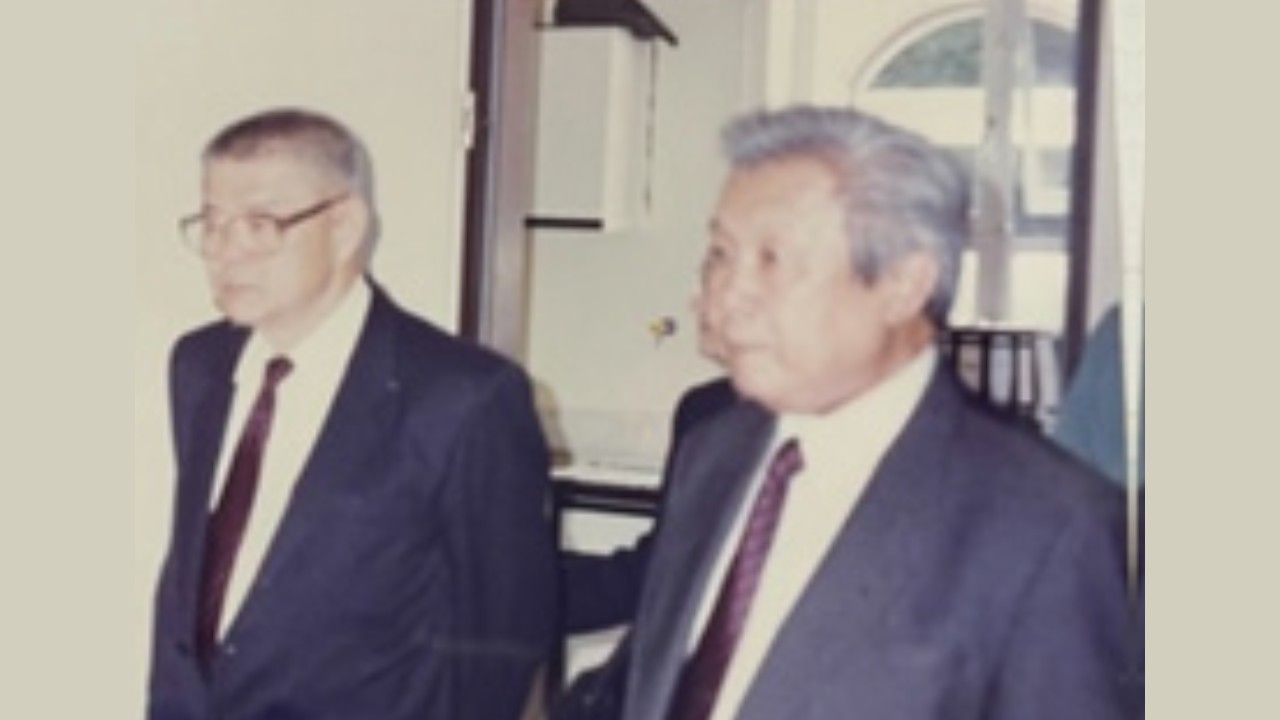
The Faculty of Veterinary Medicine, Mahanakorn University of Technology was founded in 1992 by Professor Dr. Yongyut Sajjawanich His motivation was to help relieve the burden on public universities in producing veterinary graduates by establishing at the faculty at a private university. He wanted to meet the needs of Thailand, which has had continuous and rapid growth of the livestock industry. He invited associate professor Dr. Damrong Phrueksarat to serve as the first dean of the faculty.
First generation of students
The faculty accepted 10 students for the 1992 academic year, and it has a total of more than 800 students now. The Faculty of Veterinary Medicine strives for continuous development of teaching and research and with the vision of “knowing the truth, thinking about it, doing it well, having ethics.” The Faculty is therefore committed to continuous self-improvement and to support academic teaching combined with social services in professional fields
Opening of a small pet hospital
1996
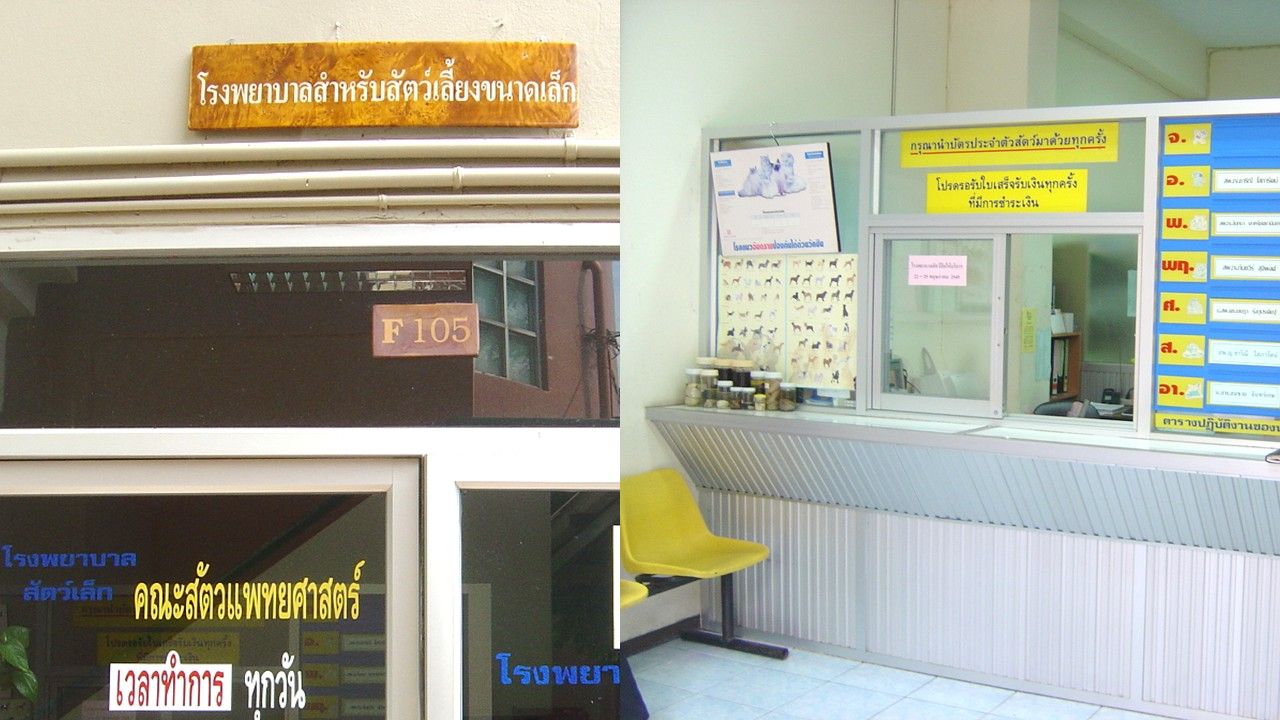
A small pet hospital was established in 1996, and it has improved to support more teaching and learning. It became a veterinary teaching hospital for small animals in 2008.
Established an animal disease diagnosis center
1997
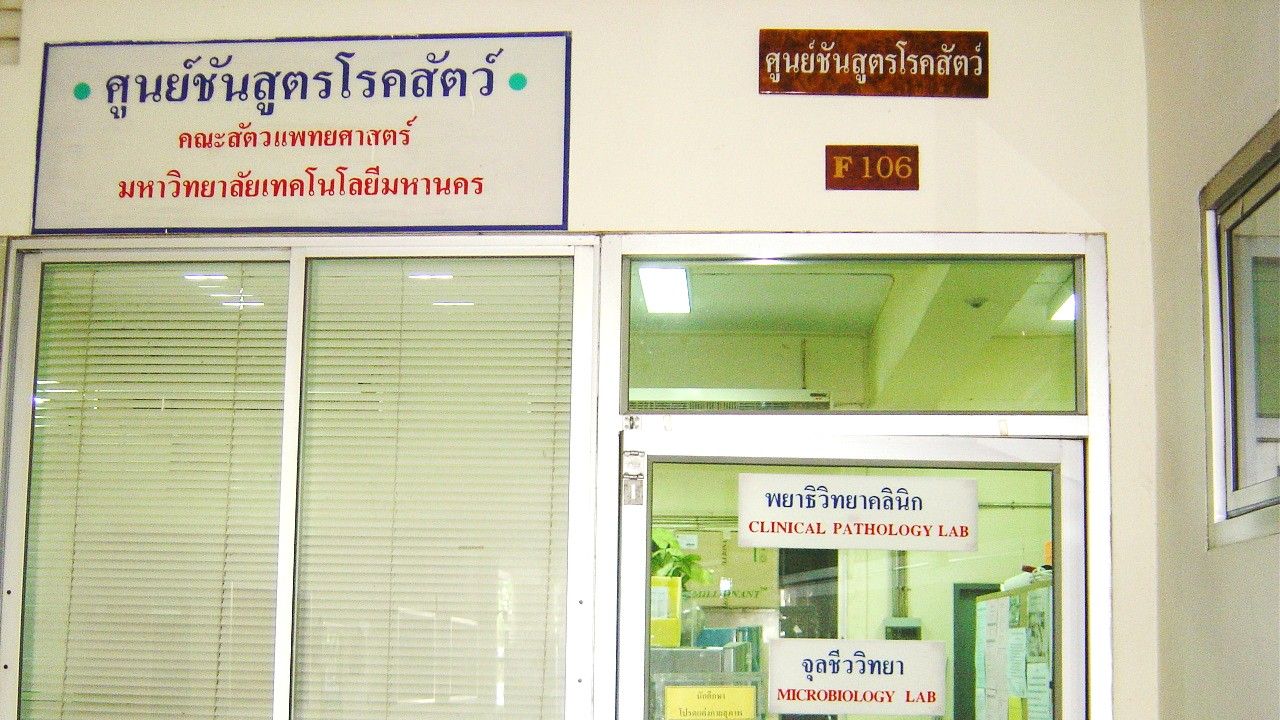
Animal Diagnosis Center was founded in 1997.
Experimental animal housing
1998
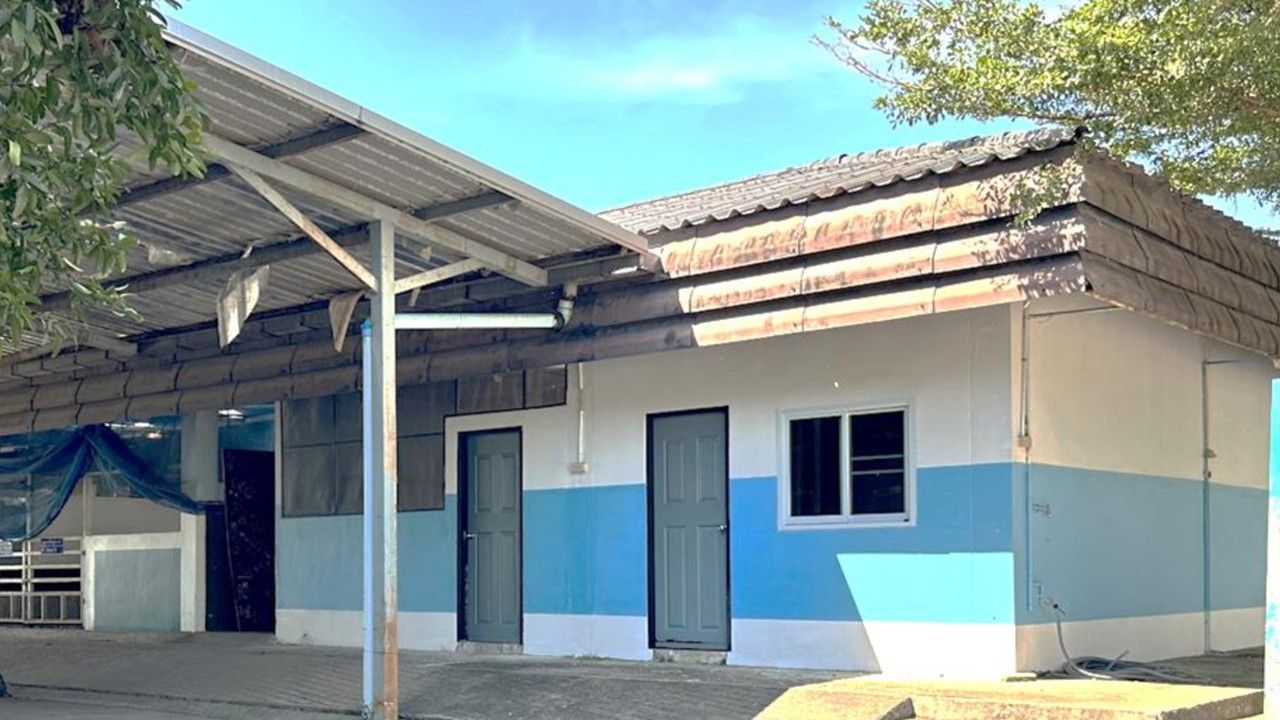
A small animal laboratory facility was opened in 1998.
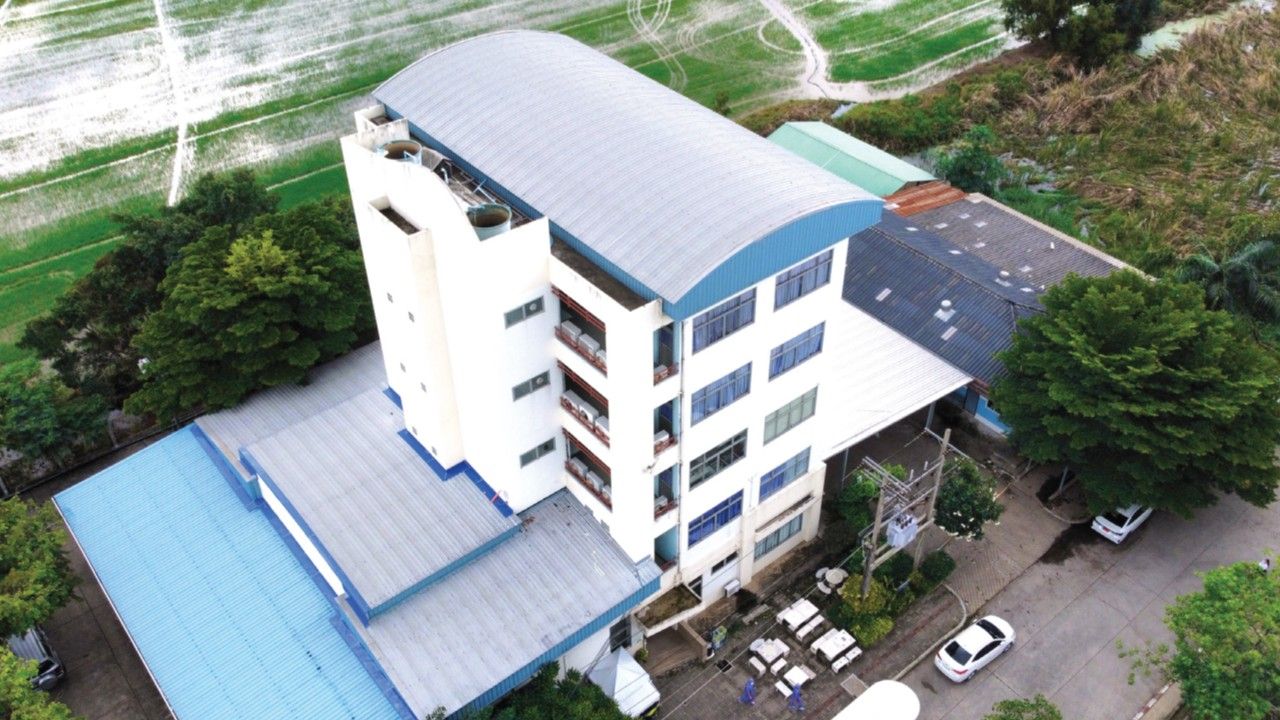
Classroom building I
2000
Construction of Building I was completed in 2000 for use as a large pet hospital.
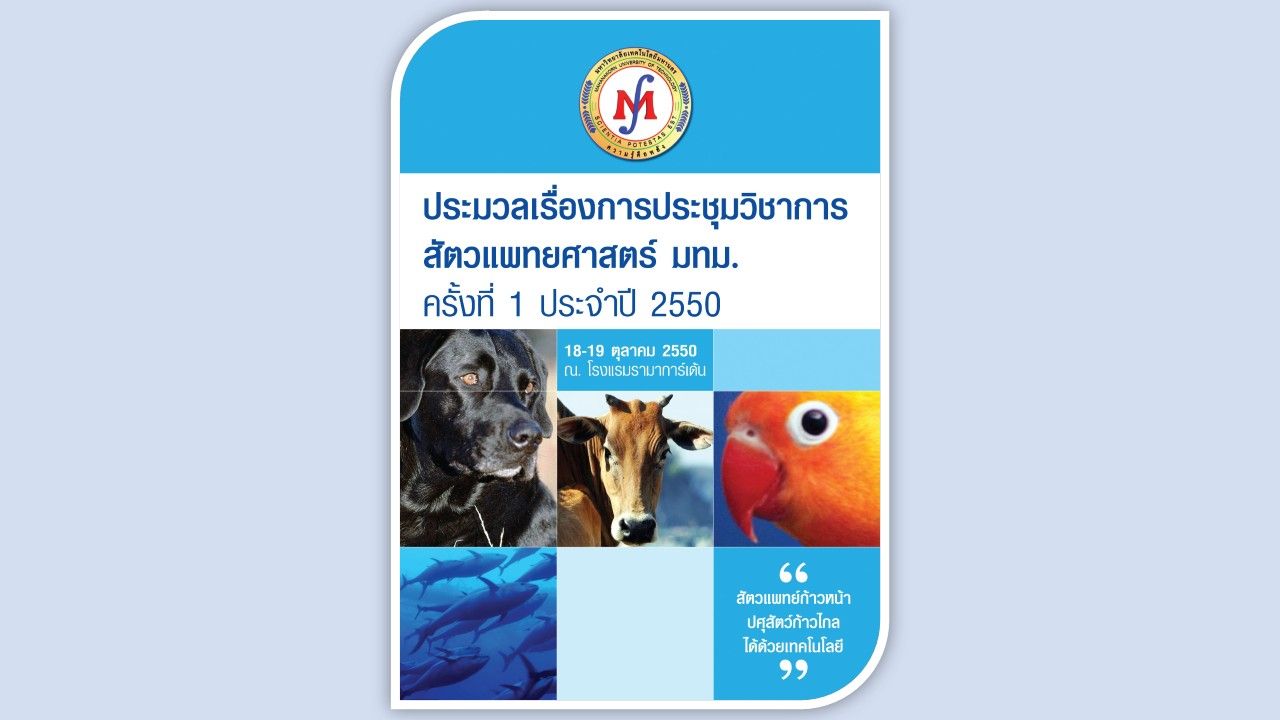
First academic meeting
2007
The faculty organized the first veterinary academic conference in 2007.
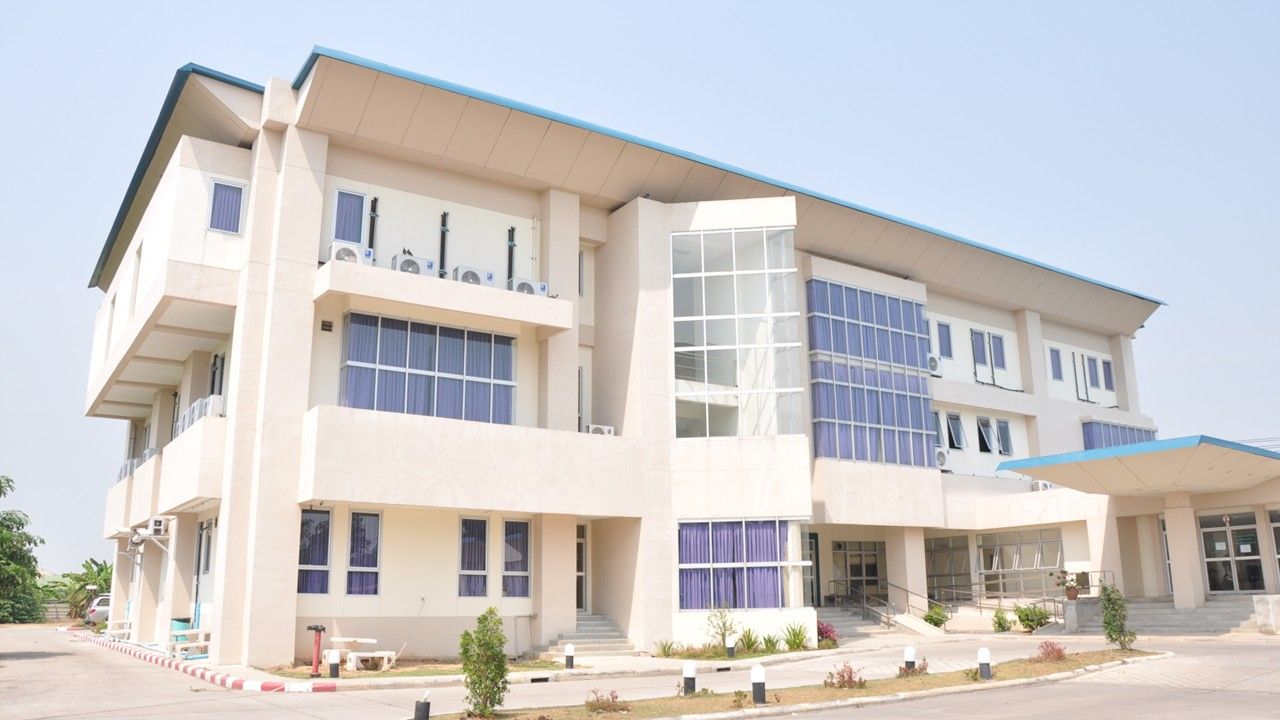
The faculty building R
2008
The university constructed Building R for use in teaching veterinary students, academic services, and social services in 2008.
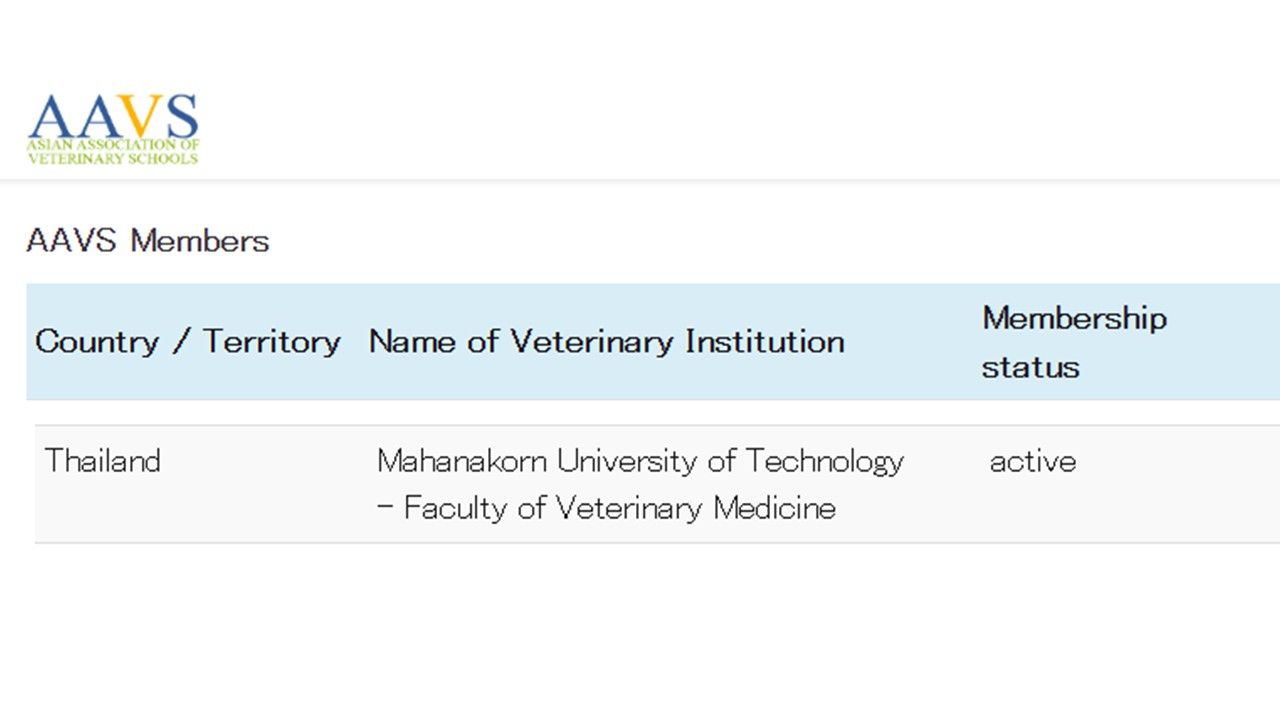
Become a member of Asian Association Veterinary School
2009
The Faculty of Veterinary Medicine, Mahanakorn University of Technology became a member of the Asian Association Veterinary School, which coordinates academic cooperation for educational institutions at the Asia regional level in 2009.
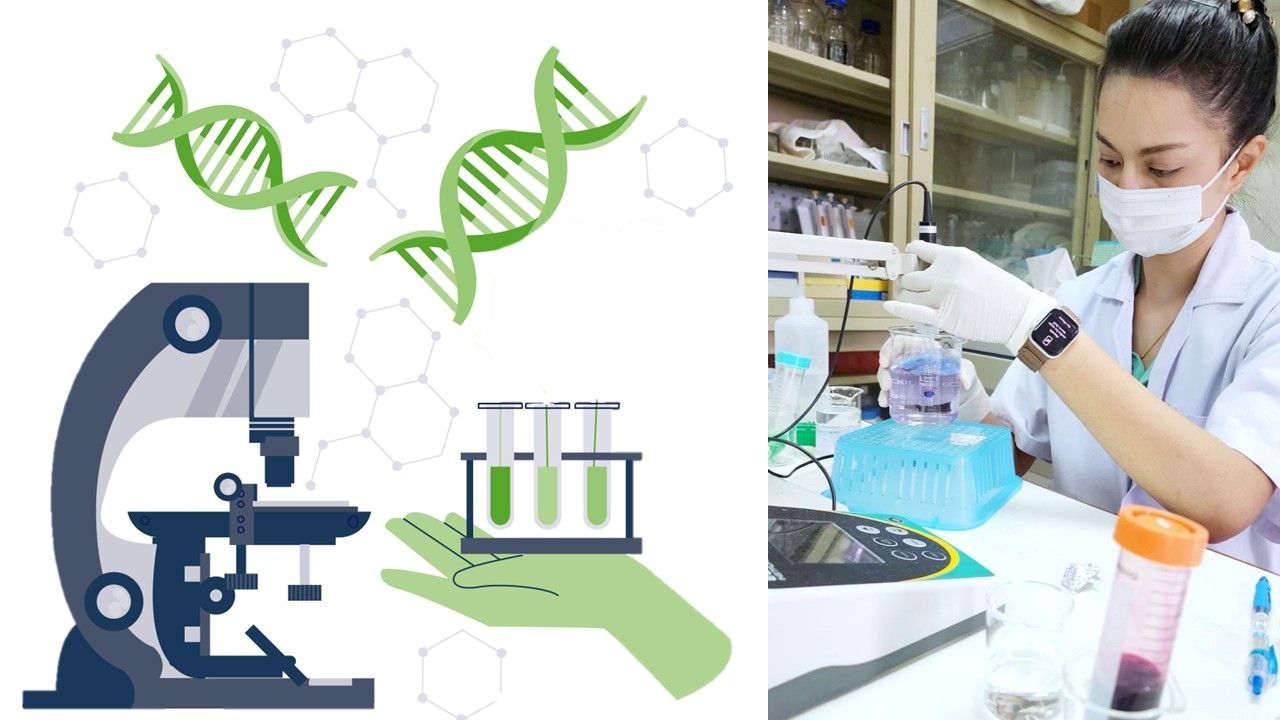
Open M.Sc. course (Animal Biotechnology)
The Faculty started to offer a M.Sc. program (Animal Biotechnology) and the Higher Education Commission of Thailand has certified the program since the 2009 academic year onwards.
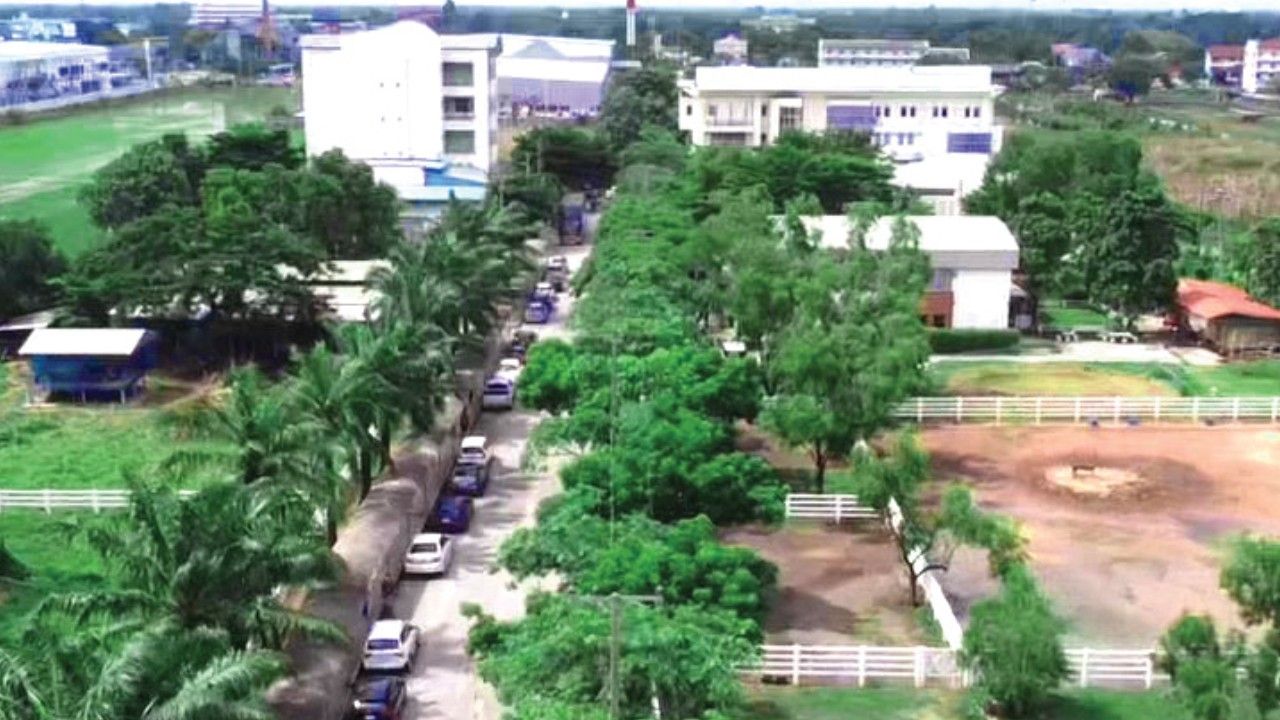
Listed by the American Veterinary Medical Association (AVMA)
2011
The Faculty of Veterinary Medicine Mahanakorn University of Technology has been accepted into the list of the American Veterinary Medical Association (AVMA) in 2011
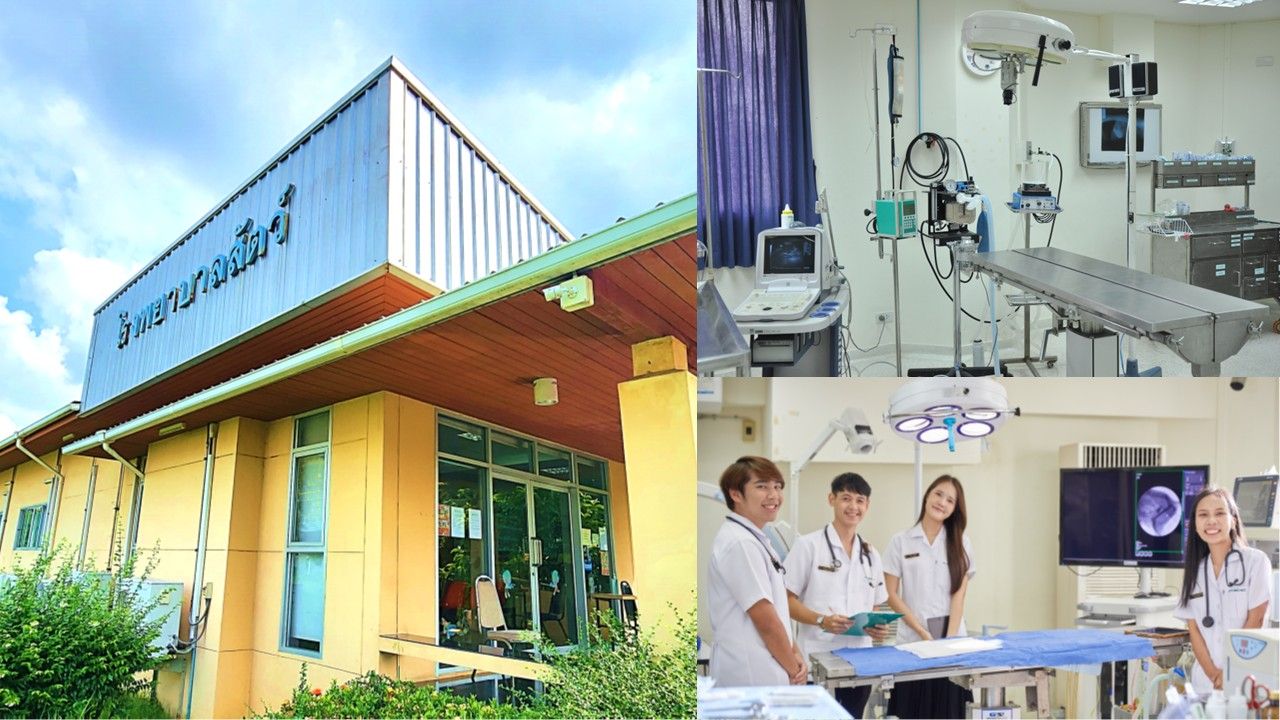
Small Animal Teaching Hospital Outpatient Animal Building
2014
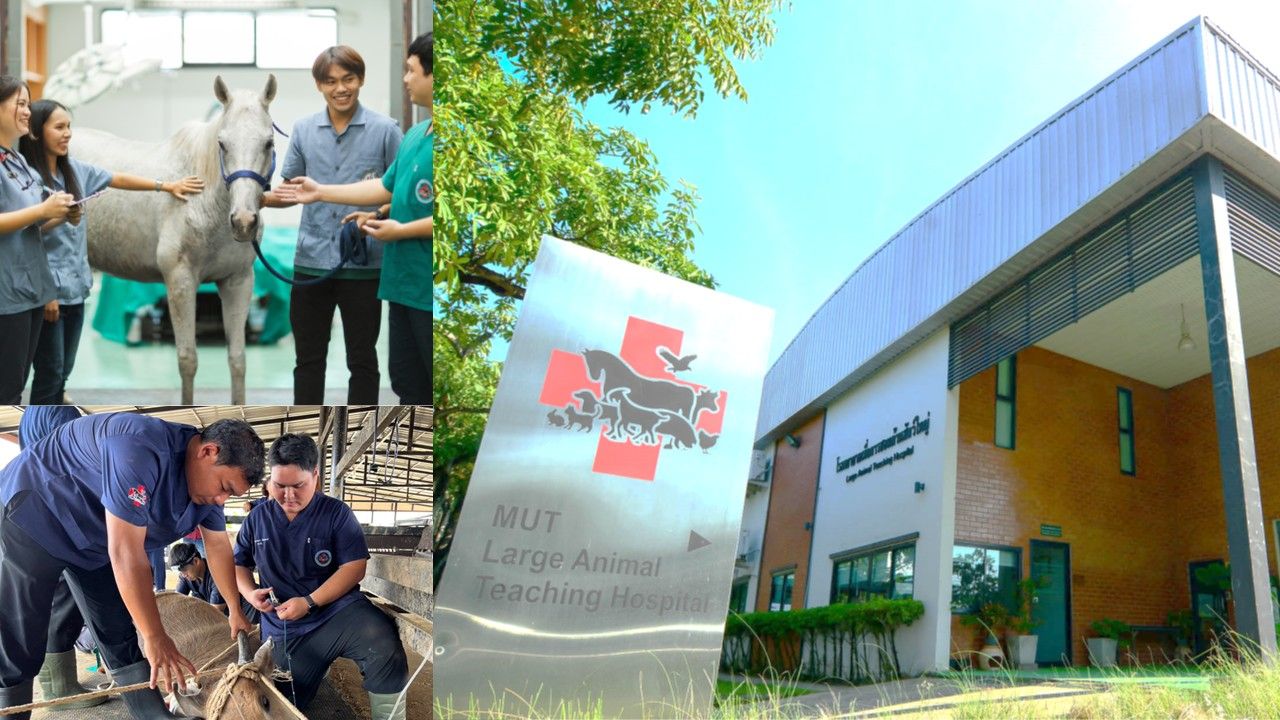
Large Animal Teaching Hospital
2015
The new Large Animal Teaching Hospital building was completed in 2015. It is equipped with a standardized surgical facility for large animals. Services are provided both on-site and off-site, covering areas in both nearby and remote locations.
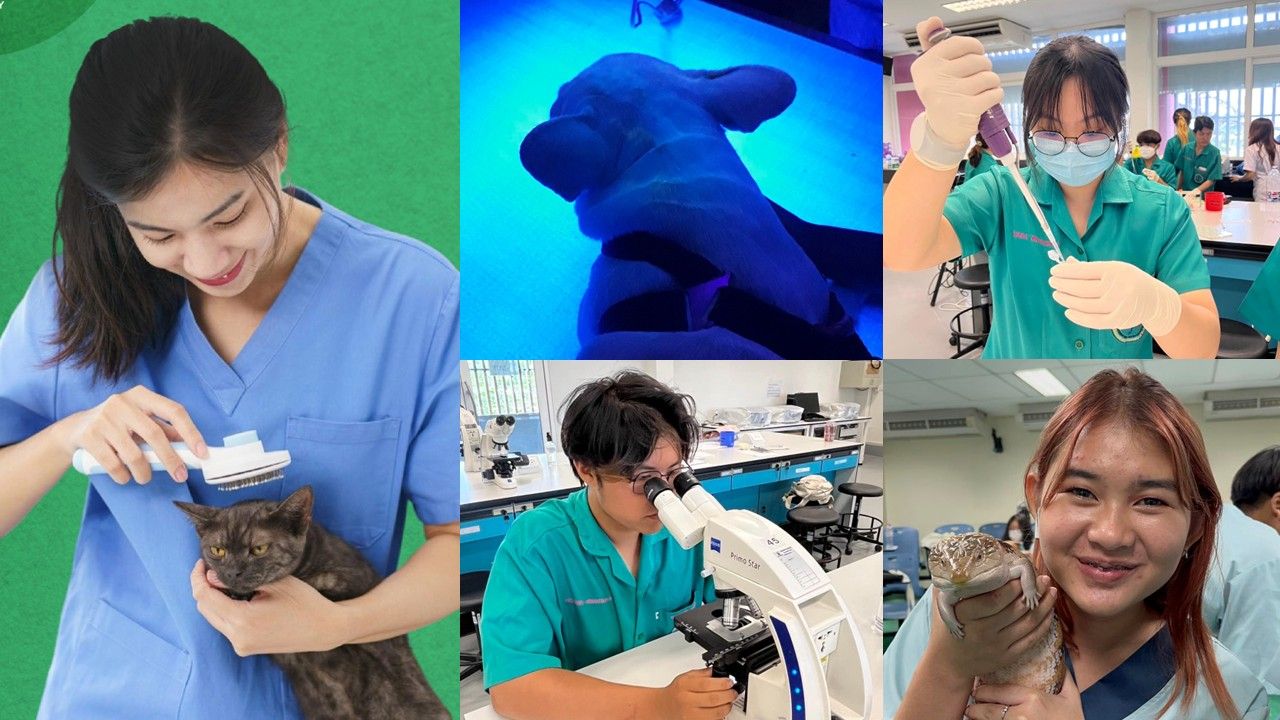
Start to offer a Bachelor of Science in Animal Nursing
2018
The Faculty has opened applications for students in the Bachelor of Science program. Field of Study: Animal Nursing in 2018.